Mail has always been about trust. When you drop a letter into a mailbox, you’re placing personal or business information in someone else’s hands, expecting that it arrives untouched and on time. Over decades, postal systems around the world — and across Canada — have worked tirelessly to maintain that trust through layers of security, verification, and technology. The result is a network that’s not only faster than ever, but also much safer.
The early days of mail security
In the early 20th century, postal security meant physical control: locked boxes, sealed envelopes, and manual record‑keeping. Canada Post offices maintained strict handling rules, and tampering with mail was both a serious crime and culturally taboo.
Back then, security relied on human vigilance. Postal clerks knew local customers, routes were predictable, and fraud was relatively rare. But as volume increased, particularly with urban growth and cross‑border trade, maintaining that same level of oversight became more complex.
Expanding protection for sensitive mail
By the 1990s, the composition of mail had changed. Instead of letters from family, envelopes contained bank statements, tax documents, or business contracts. Postal infrastructure had to evolve, introducing tracking numbers, barcodes, and locked compartmentalization to reduce risks of tampering or misdelivery.
Registered mail and parcel tracking set a new standard for transparency, allowing both sender and receiver to trace each step in the chain. For businesses, that visibility was transformative—as confidence grew, more commerce moved through the mail.
The digital era and new challenges
Fast‑forward to the 2020s, and mail security isn’t only about physical locks. As digital addresses, online purchases, and identity fraud intersect, postal networks face complex new threats. Scammers may attempt redirected deliveries or intercept parcels with counterfeit identification, while data breaches can expose recipients’ private information.
In response, Canadian postal providers have invested in identity verification protocols. Customers often need to present government-issued ID to retrieve mail or reroute shipments. These steps may feel cautious, but they reinforce the bond of trust that underpins the entire postal system.
Tracking technology and transparency
Technology has become both shield and sword. Advanced tracking systems now provide real-time updates, scan locations, and delivery confirmations accessible through mobile apps. Customers can not only see when their package is out for delivery but also pinpoint whether it reached the correct mailbox or pick‑up point.
For postal carriers, this transparency reduces disputes. For consumers, it minimizes anxiety. The long-standing mystery of “lost in the mail” is gradually disappearing thanks to data-driven visibility.
Secure delivery innovations
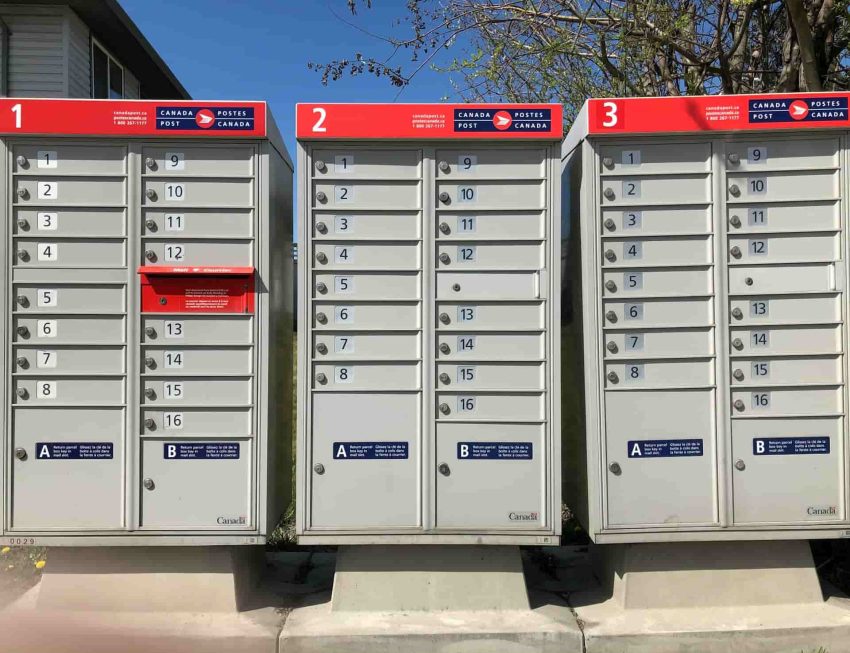
Security innovations are now visible in daily operations. Smart lockers and parcel terminals across Canada add convenience while preventing theft. Two-factor ID verification ensures only authorized recipients access packages. Some delivery centers also employ controlled camera monitoring or tamper‑evident packaging to ensure accountability every step of the way.
Private mailbox providers and virtual mailboxes are extending these standards to smaller businesses and individuals. The principle remains the same: whether physical or digital, mail must be protected as an extension of personal identity.
Why security keeps trust alive
Mail may seem old-fashioned in the era of instant messaging, but it maintains a unique type of trust that few other systems can match. It carries physical documents, legal notifications, payments, and gifts — items people simply expect to stay private and personal.
Canada’s postal framework continues to evolve, blending traditional integrity with modern innovation. From the predictable rhythm of snail mail to the granular tracking of secure mail, the essence of postal delivery remains constant: confidence that what you send will arrive safe and sound.