
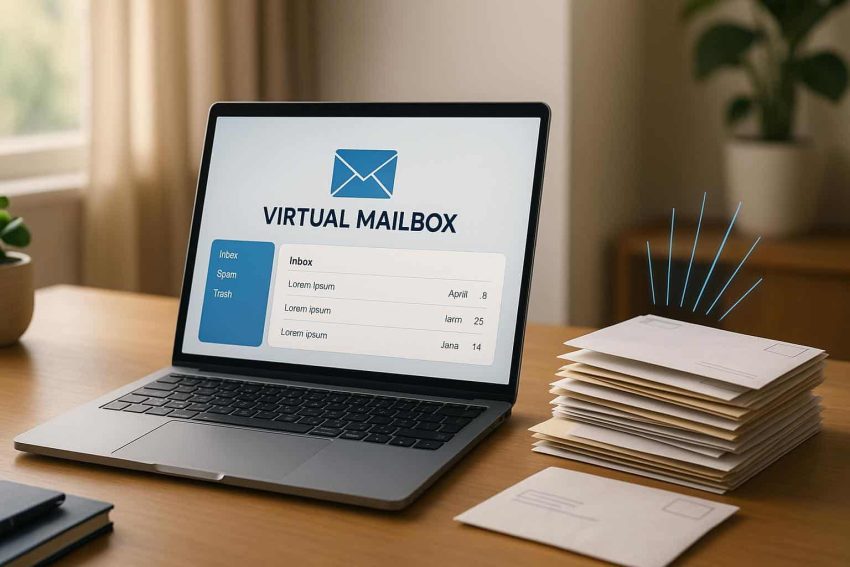
In today’s flexible work world, a traditional office address isn’t always necessary — or even practical. Yet businesses and professionals still need a secure, reliable way to handle mail. That’s where virtual mailboxes come in. These services bring the physical and digital worlds together, helping Canadians manage their mail from anywhere.
What exactly is a virtual mailbox?
A virtual mailbox is a service that provides you with a real, physical street address where your mail is received and digitized. Instead of driving to a postal box, you access your mail online through a secure dashboard. From there, you can view scanned envelopes, request to open documents, forward items to another address, or even shred unwanted mail.
In essence, virtual mailboxes turn your postal address into a digitally accessible inbox. For remote workers, small business owners, and frequent travelers, this convenience has become invaluable.
Why remote workers are adopting virtual mailboxes
The remote work boom has broken down geographical barriers but introduced new logistical challenges — including how to maintain a professional address. A virtual mailbox solves that instantly.
- Professional image: Using a real street address (not a PO Box) adds legitimacy to business cards, websites, and invoices.
- Privacy protection: You can separate your home address from client correspondence.
- Mail mobility: Whether you’re working from home in Hamilton or vacationing in British Columbia, important letters still reach you.
Virtual mailboxes also integrate well with digital nomad lifestyles, allowing workers abroad to stay connected to Canadian correspondence, tax documents, or bank mail.
A game-changer for small and medium-sized enterprises
For SMEs, managing mail efficiently can directly impact customer satisfaction and operational speed. Virtual mailboxes enable companies to consolidate mail from multiple departments or locations into one online panel. Notifications, uploads, and document forwarding all happen in real time, eliminating delays.
This approach scales beautifully with business growth. As teams expand, additional users can access mail safely through role-based permissions. It’s a cost-effective alternative to opening physical offices solely to manage documents or receive courier deliveries.
How the process works
Most Canadian virtual mailbox providers follow a simple model:
- Assigning an address: You choose a mailing location (often in a major city such as Toronto or Vancouver).
- Mail reception and scanning: Incoming items are received, logged, and securely scanned.
- Digital access: You log in from any device to view, forward, or archive scanned items.
- Optional forwarding or shredding: Physical originals can be mailed to your chosen address or destroyed securely.
Services typically meet federal privacy standards for handling mail on customers’ behalf, ensuring legal compliance and confidentiality.
Privacy and security considerations
Security is the most important element of the virtual mailbox model. Reputable providers maintain secure facilities with restricted access, surveillance, and data encryption for file transfers. Some also employ compliance with privacy laws like PIPEDA to reinforce trust.
Users should ensure they register with legitimate operators and verify whether mail is handled locally or through third-party processors. Transparency is essential — after all, you’re entrusting them with potentially sensitive information.
Benefits extending beyond convenience
Beyond flexibility, virtual mailboxes can make life easier in surprising ways:
- Paper reduction: Digital storage cuts clutter and improves organization.
- Better time management: Notifications mean you no longer wait for physical checks or letters to arrive.
- Record keeping: Having searchable digital copies of mail helps with taxes or business audits.
For both individuals and businesses, these features turn a static postal address into a smart communication hub.
The future of mail handling in Canada
Virtual mailbox adoption is growing rapidly, mirroring digital banking and cloud storage trends. As Canadians increasingly prefer online, paperless workflows, these services will become a staple of modern business infrastructure.
In many ways, virtual mailboxes represent the next stage in the evolution of the postal system — one that combines dependable physical delivery with the convenience of digital access. For anyone working outside traditional offices, the shift isn’t just convenient; it’s empowering.